Neurodiversity by Design: One of the Most Overlooked Elements of Guest Experience
One of the biggest misconceptions about event planning, at least one of many, is that when it comes to accessibility for guests, it begins and ends with the physical space. More specifically parking, entrance/exits, seating, and restrooms. As essential as these elements are, they only address a small portion of attendee experience and force a deeper conversation in what true event inclusion means and looks like.
Many events focus on the big picture group experience—how it feels and how it can be as "fun" and "engaging" as possible—but these kinds of things can often be overstimulating to some, especially over long periods of time. Ensuring an event is truly accessible means also considering cognitive and sensory needs in addition to the physical.
For many attendees, navigating an event isn't necessarily physically challenging, but it can be mentally and emotionally exhausting, especially for neurodivergent attendees. Elements like crowded rooms, loud music, shifting schedules, lighting, and constantly having to "put on a face" and talking to people can be overstimulating for some attendees. These considerations show that it is important to rethink typical event engagement and reimagine the guest experience.
The Best Hospitality Is Predictability (Or as Much as You Can)
We all know that a perfect timeline can be created and there will inevitably be something that goes wrong. However, even the most basic expectations and outlines can create a sense of comfort that can change somebody's experience.
One of the simplest ways to do this is to remove any unnecessary uncertainty. Providing as much quick and easy information to guests before they come to help them prepare, as well as providing visible and easy to understand signage, are a quick first step.
Before the Event: Providing a simple FAQ page with things like where to park, what to wear, and a basic timeline can help remove unnecessary stress when preparing.
At the Event: Having clearly visible signs and easy to follow instructions at the event itself makes navigating the day effortless for your guests.
Not Everyone Wants to Network the Same Way
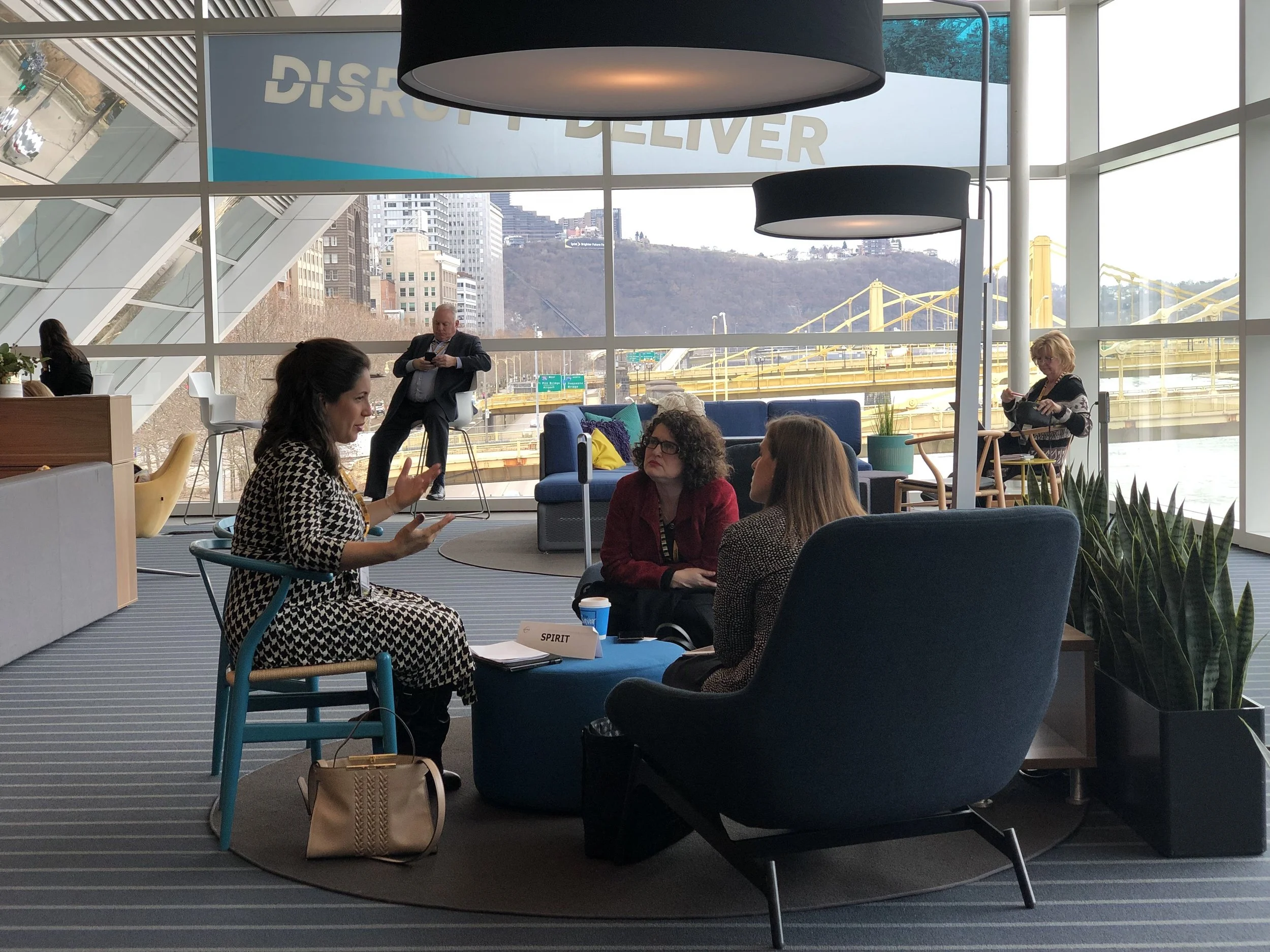
Traditional networking remains one of the most challenging components of many events. The assumption is often that attendees will walk into a room, strike up conversations with strangers, and naturally build relationships. In reality, many people find this format not only difficult, but anxiety inducing—but this doesn't mean that they don't want to connect or aren't good at what they do, it simply means they do it differently.
Some helpful, lower pressure options to consider for your next networking opportunity might be:
Structured discussion groups
Facilitated introductions
Moderated roundtables
Guided conversation prompts
In addition to these, offering breakout sessions or separate rooms and spaces may be helpful for those who prefer less auditory stimulation. The goal with these isn't to eliminate traditional networking, it's to offer multiple paths so that everyone can participate to their highest potential.
Quiet Spaces Are a Sign of Good Event Design
One of the most effective event enhancements that has been coming up in recent years is the simple addition of a quiet room or separate, low stimulation area for guests who may need to step away.
Quiet spaces allow attendees to reset, regulate, recharge, and return to the event when they're ready. These spaces support neurodivergent attendees, but they also serve introverts, caregivers, individuals managing anxiety, and anyone who simply needs a break from stimulation.
Instead of these spaces taking away from the event, they help build more engagement by taking guest (and sometimes vendor) needs into consideration to ensure they can enjoy and participate in the event as much as possible, while also receiving the break they may desperately need.
Better for Some = Better for Everyone
The most important thing to remember when making your event more inclusive is that these adjustments don't just benefit the target audience, they benefit every guest in attendance. Clear communication, intentional and thoughtful agendas, flexible participation based on access and need, and quiet spaces for decompression are all tools that help guests from every walk of life approach an event based on their needs and ability.
People experience events differently, and building experiences that allow more people to fully participate creates a better event as a whole.
At Sholeh Events, we believe great event planning starts with understanding people. When we design events with a broader range of experiences in mind, we create gatherings that are more welcoming, more thoughtful, and ultimately more successful for everyone involved. It's important to remember that events aren't just successful with well planned logistics and a great vendor team—it's about the inclusion of true hospitality.