Why Hotel Room Blocks Matter More Than Most Couples Realize
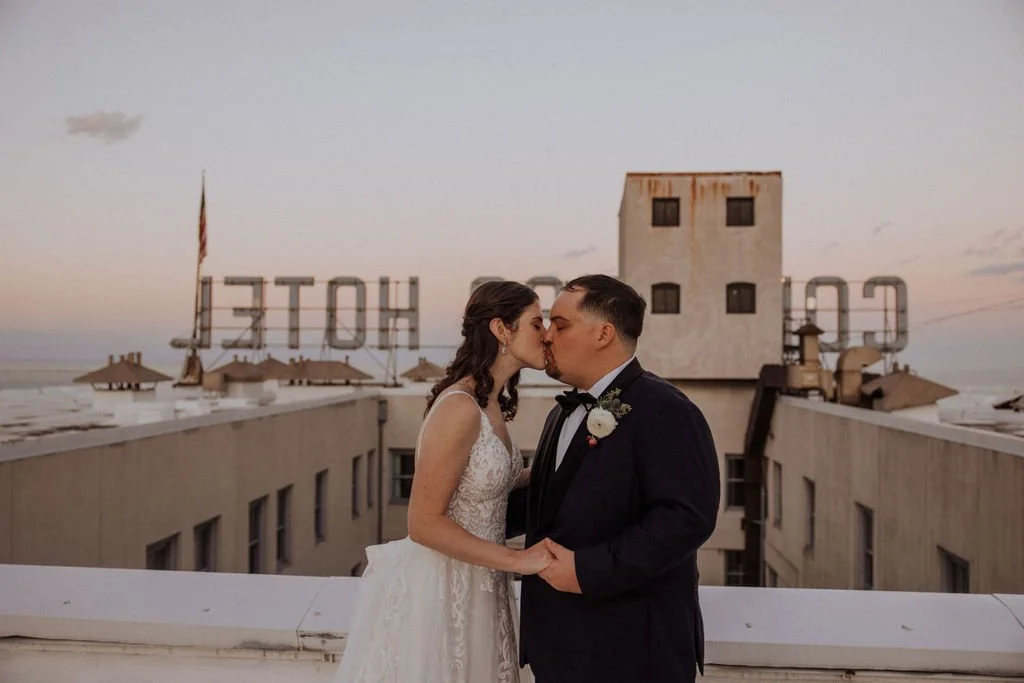
Photo Credit: Allie Idrac
Sholeh Events is a premium wedding coordinator in Chicago providing strategic hotel room block negotiations, guest experience design, and seamless transportation logistics throughout the Chicagoland area.
Planning a wedding can seem overwhelming when you start. There seems to be decision after decision to make and more factors to consider. This can feel especially overwhelming if you are planning without professional support. Most of the couples' planning focus naturally becomes centered on the event itself, and often, hotel accommodations can fall to the wayside until they start getting bombarded with guest questions.
Suddenly, what felt like a minor logistical detail becomes a major part of the overall guest experience. And that's why we encourage our couples to think about overnight accommodations much earlier than they often expect.
A Room Block Isn't Just About Saving Money
One of the biggest misconceptions about hotel room blocks is that they're primarily about securing discounted room rates. While preferred group pricing is certainly a wonderful benefit, the real value of a block is convenience and community.
A thoughtfully selected room block creates a central hub for your guests throughout the wedding weekend. It simplifies transportation planning, reduces travel confusion, and creates effortless opportunities for guests to connect outside of the wedding itself. Some of our favorite wedding memories happen in cozy hotel lobbies, over breakfast the next morning, or during spontaneous late-night conversations between family members who haven't seen each other in years.
When planned correctly, the hotel itself becomes an extension of the celebration.
Navigating the Business Side: Courtesy Blocks vs. Contracted Blocks
Many couples are surprised to learn that there are different types of room blocks, each carrying entirely different levels of financial responsibility and contractual risk.
1. Courtesy Room Blocks (No Financial Risk)
This is the most common and lowest-risk starting point.
How it works: The hotel reserves a set, limited number of rooms (usually 10 to 20 rooms maximum) at a discounted group rate.
The Catch: Any unused rooms in your block are released back to the general public by a predetermined "cut-off date" (typically 30 to 45 days before your wedding date). If your guests don't book them, they simply go away, and you owe the hotel absolutely nothing.
Best for: Couples with a smaller number of out-of-town guests, or those starting their planning process early without a firm headcount.
2. Contracted / Guaranteed Room Blocks (With Financial Liability)
For larger weddings, high-demand holiday weekends, or busy convention seasons in downtown Chicago, a courtesy block might not offer enough guaranteed rooms. This is where a contracted room block comes in.
How it works: The hotel secures a larger, guaranteed inventory of rooms for your party, but you must sign a formal contract that includes an attrition rate clause.
Understanding Attrition: Attrition is the percentage of rooms you are legally contracted to fill. A standard contract usually features an 80% attrition rate. This means if you block 30 room nights, you are legally obligated to pay for at least 24 of them (80%), even if your guests only book 15. If your guests don't book up to that 80% mark, you—the couple—must pay the cash difference out of pocket for those empty rooms.
Best for: Large, destination-style weddings where you are confident a high volume of guests will require lodging.
💡 Sholeh Events Contract Tip: Never sign a hotel block contract without looking for "attrition mitigation." Always negotiate to start with a smaller block and add more rooms as it fills up, rather than over-blocking upfront and getting stuck with a heavy bill for empty beds.
Sourcing & Negotiating: Hidden Perks to Ask For
When negotiating your room block contract, there are valuable "comps" and perks that a seasoned coordinator can help you secure:
Complimentary Suite Upgrades: Many hotels will offer a free suite upgrade for the couple on the night of the wedding once a certain number of guest rooms (e.g., 10 or 15 rooms per night) are booked within the block.
Welcome Bag Distribution: Ask if the front desk will hand out your custom welcome bags at check-in. Some hotels do this for free; others charge a "porterage" or distribution fee per bag. Negotiate to waive this fee during the contract phase!
Bar & Lobby Hours: If your wedding ends at 11:00 PM, find out if the hotel bar stays open late or if they have a comfortable lounge area where guests can keep the party going safely.
Look Beyond the Room Rate
One of the most common mistakes we see is choosing a hotel based solely on price. The lowest nightly rate doesn't automatically translate to the best guest experience. Instead, we encourage couples to consider the bigger picture:
Proximity to Venue: How close is the hotel to the wedding venue? A cheap room that is a 45-minute drive away will drastically increase your transportation and shuttle rental costs.
Parking & Valet Fees: Is parking readily available, and what is the cost? A $40-a-night room discount in downtown Chicago can quickly be erased by a $70-a-night valet parking fee.
Accessibility Requirements: Are there ADA-compliant rooms for elderly relatives or guests with mobility needs?
Ease of Transportation: Is it easy for shuttles, Ubers, or Lyfts to load and unload guests safely at the entrance?
These practical logistics often have a far greater impact on overall guest satisfaction than a tiny difference in nightly rates.
https://drive.google.com/file/d/12u1RCI-eB6qqpuQO8a7T81S-Lz3caL7P/view?usp=drive_link
Think Beyond the Rooms: The Transportation Link
Where you place your room block directly dictates how your guest transportation will flow. If you block rooms at three different hotels scattered across the Chicagoland suburbs, coordinating a cohesive guest shuttle system becomes an absolute logistical nightmare (and highly expensive).
For a seamless guest experience, we always recommend:
Consolidate Your Blocks: Keep your room blocks limited to one or two neighboring hotels so your guest shuttles have a single, streamlined pickup and drop-off point.
Review Shuttle Restrictions: Many historic Chicago hotels or busy suburban downtown areas have strict "no-idling" zones or tight alleys where massive charter buses cannot physically fit. Work with your planner to confirm that your transport vehicles match your hotel's physical layout.
Hospitality Starts Before Guests Arrive
At its core, wedding planning is hospitality. It's creating an experience where guests feel entirely welcomed, informed, and cared for. That experience doesn't begin when the ceremony starts. It begins the very second guests receive your invitation, continues when they book their travel, and absolutely includes where they rest their heads at night.
Hotel accommodations may not be the most glamorous part of wedding planning, but they are one of the first ways your guests interact with your event. Like many aspects of planning, the details that feel small behind the scenes often have the greatest impact on how your entire wedding weekend is remembered.
Need help navigating hotel room block contracts, transportation logistics, and guest experience planning? That's exactly the kind of highly detailed, stress-relieving support we love helping our couples with.